You've just watched the owner drive away. Your suitcase is still by the door, the keys feel unfamiliar in your hand, and the dog is looking at you as if you've been promoted without training. The house is quiet, but your responsibility has already started.
Knowing what to do when house sitting means more than feeding a pet, collecting mail, and remembering to lock the door. You're temporarily responsible for animals, property, routines, decisions, and the small failures that become serious when nobody notices them. The reliable approach is simple: write things down, inspect the environment, follow a repeatable routine, and agree in advance what happens when something goes wrong.
Walking Into Your First House Sit
The first hour sets the tone for the entire stay. Don't unpack immediately or settle into the spare room. Keep your phone charged, leave your suitcase where it is, and treat the arrival like a professional handover rather than a casual visit.
Start with a walkthrough. Ask the owner to show you the exits, alarm panel, heating and cooling controls, water shutoff, breaker panel, spare keys, gates, bins, cleaning supplies, and any rooms or cupboards that are off-limits. Open the doors you may need to use at night. A door that sticks in daylight can become a genuine problem when you're carrying a frightened cat or responding to a smoke alarm.
Then move to the animals. Watch the owner prepare a meal, attach a leash, give medication, open the garden gate, and settle each pet. You're looking for details that don't appear in a written paragraph. One dog may refuse food from a metal bowl. One cat may hide behind the washing machine when visitors arrive. A terrier may need the back door closed before the food touches the floor.

The first-hour checklist
Use a written house-sitting checklist as a prompt, not as a substitute for conversation. Before the owner leaves, confirm:
- Animal comfort: Each pet has water, a safe resting place, and access to the area they normally use.
- Access: You can open the front door, operate gates, use the alarm, and reach the emergency exits.
- Communication: The owner, veterinarian, local contact, and backup caregiver are saved in your phone and written down.
- Authority: You know what you're allowed to approve if an animal needs treatment or the property needs urgent repair.
- First observation: You've seen each animal eat, drink, move, toilet, or settle in its normal way.
That final comfort check matters. You need a baseline. If the dog is already limping, the cat hasn't eaten, or the rabbit is unusually withdrawn, record it with the owner before departure. Otherwise, a change later can become an argument about when the problem began.
Practical rule: Treat the owner's departure as the start of a shift. Do the walkthrough, record the handover, and check the animals before you make yourself comfortable.
A good house sitter doesn't try to look effortless. They make the important information impossible to forget.
The Handover Protocol That Replaces Memory
Memory is a poor operating system for a house sit. Owners often explain feeding, medication, plants, bins, alarms, and appliance quirks in one fast conversation. You'll remember the big things and lose the detail that matters at the wrong moment.
Create a written arrival-to-departure protocol before the owner leaves. A simple notebook, shared document, or sitter information sheet works, provided you can access it without an internet connection.
Record the animal care precisely
Write down each animal's normal food quantity, feeding time, approved treats, water routine, toileting pattern, exercise limits, hiding places, stress behaviors, and bedtime arrangement. For medication, record the name, dose, route, time, storage instructions, and what to do if a dose is missed.
Capture the practical identifiers too:
- Identity: Microchip details, collar information, distinguishing marks, and current photos.
- Medical care: Regular veterinarian, emergency clinic, insurance instructions, conditions, allergies, and medication list.
- Decision rules: When to contact the owner, when to call the vet, and when emergency treatment can be authorized without waiting.
- Backup support: A nearby caregiver who can enter the home, transport an animal, or make a decision if the owner is unreachable.
- Daily rhythm: Walk times, rest periods, toileting expectations, play preferences, and maximum tolerated time alone.
Ask direct questions. “What should I do if the dog refuses breakfast?” is better than “Anything else I should know?” Ask, “At what point may I authorize treatment?” and “Who pays the clinic if you're travelling?” Polite vagueness creates pressure for everyone later.
Photograph the details people misremember
Take photographs of food labels, medication packaging, the utility shutoffs, the alarm panel, and the pet's usual resting area. Photograph the thermostat settings if the owner has a specific preference. These images provide a reference when packaging looks similar or a control panel becomes confusing.
Have the owner review the written protocol before leaving. If possible, both of you should acknowledge the final version, whether by signing a printed copy or confirming it in a message. The point isn't legal theatre. It's to create one shared record instead of two different memories.
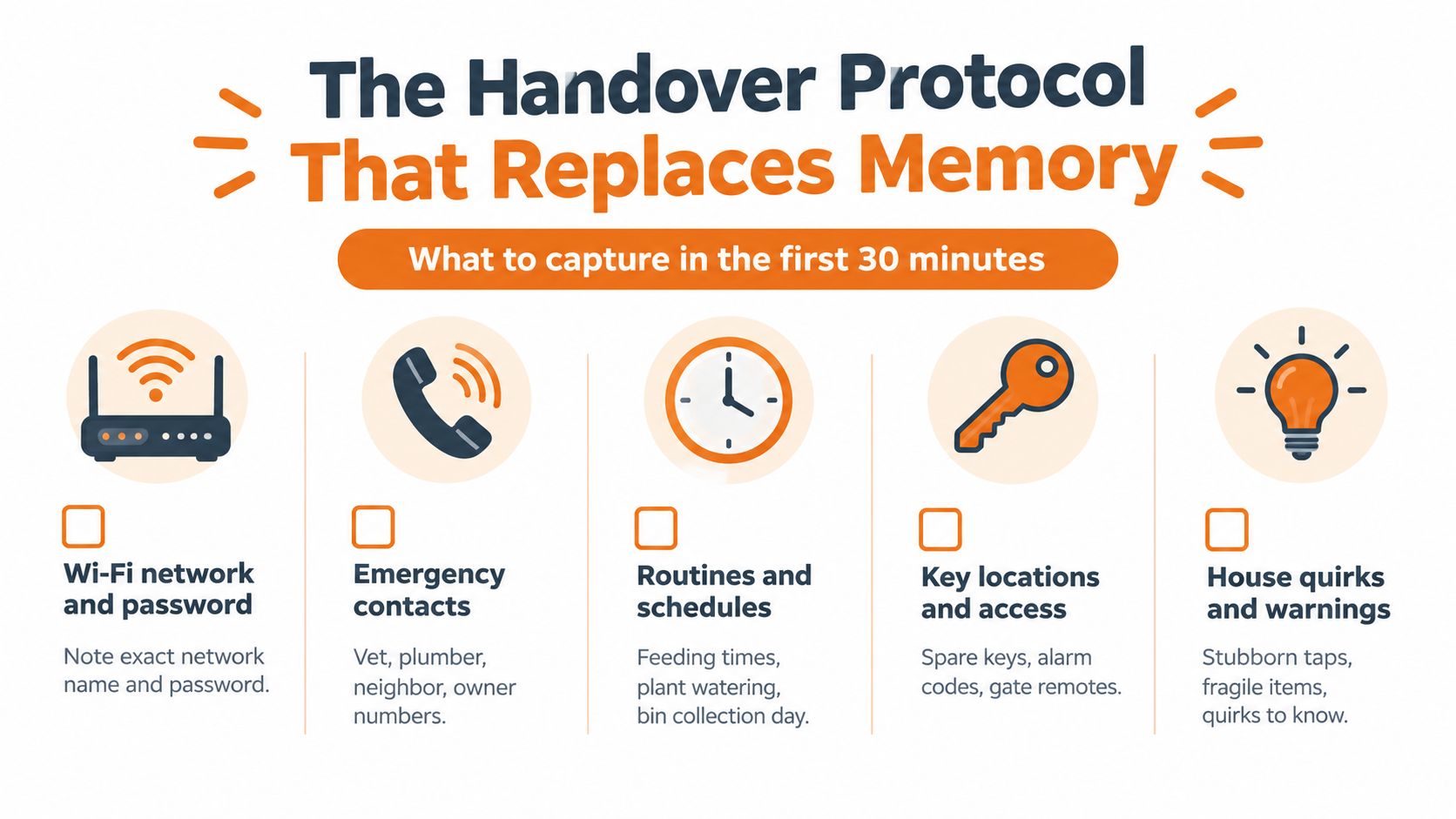
Keep the protocol somewhere obvious but private. Don't leave sensitive information in a public view or on a device that visitors can access. Save offline copies of the owner's consent instructions, insurance information, microchip details, and medication list.
The strongest handover ends with a short test. Explain the feeding routine back to the owner. Show them where you'll find the shutoff valve. Demonstrate how you'll lock the house at night. If you can't repeat it clearly, you don't understand it yet.
The Daily Routine That Keeps Animals and Homes Healthy
A calm sit is built from boring repetition. Run a morning check and an evening check, then record what you found. This turns care into a shift log and makes subtle changes easier to spot.
In the morning, look at the animal before reaching for the food. Is it alert? Is it moving normally? Is breathing comfortable? Has it urinated or defecated? Has it vomited, hidden, scratched, or shown a new reluctance to climb stairs? Then check appetite and water intake. Measure food instead of guessing with a scoop, especially when the owner has given a specific quantity.
The evening check should confirm the same core signals and include the property. Check doors, windows, gates, alarms, unusual smells, leaks, heating or cooling, and any animal that's resting in an unusual place. Log abnormalities with the time and, where useful, a photograph. “Ate less than usual at 8:00” is actionable. “Seemed weird” isn't.
Build the day around the animal
A walk should fit the dog's age, health, weather tolerance, and instructions, not your preferred schedule. Respect exercise limits, leash rules, recall problems, and areas the owner has identified as unsafe. Cats and smaller animals need the same attention to routine, even when their care happens indoors.
Use a simple note format:
| Check | Record |
|---|---|
| Food and water | Quantity offered, amount eaten, drinking changes |
| Toileting | Normal, missed, loose, unusually frequent |
| Body and movement | Limping, stiffness, breathing, balance |
| Behavior | Hiding, pacing, vocalizing, agitation, unusual quietness |
| Home | Doors, gates, temperature, leaks, alarms, hazards |
For dogs, a resource such as Denver Dog care plans can help you think beyond walks and meals when adapting a routine to the individual animal. Don't copy a generic schedule over the owner's instructions. Use it to identify questions you still need to ask.
Communicate before the owner worries
Agree on an update rhythm before the sit begins. A short message with a photo can confirm that the animal has eaten, the home is secure, and the routine is normal. If something changes, contact the owner early with three facts: what happened, when it happened, and what you've already done.
Avoid flooding the owner with meaningless updates, but don't hide uncertainty to appear capable. The owner would rather receive a clear question while a problem is manageable than a polished message after the situation has deteriorated.
Treating the Home Like a System You Can Inspect
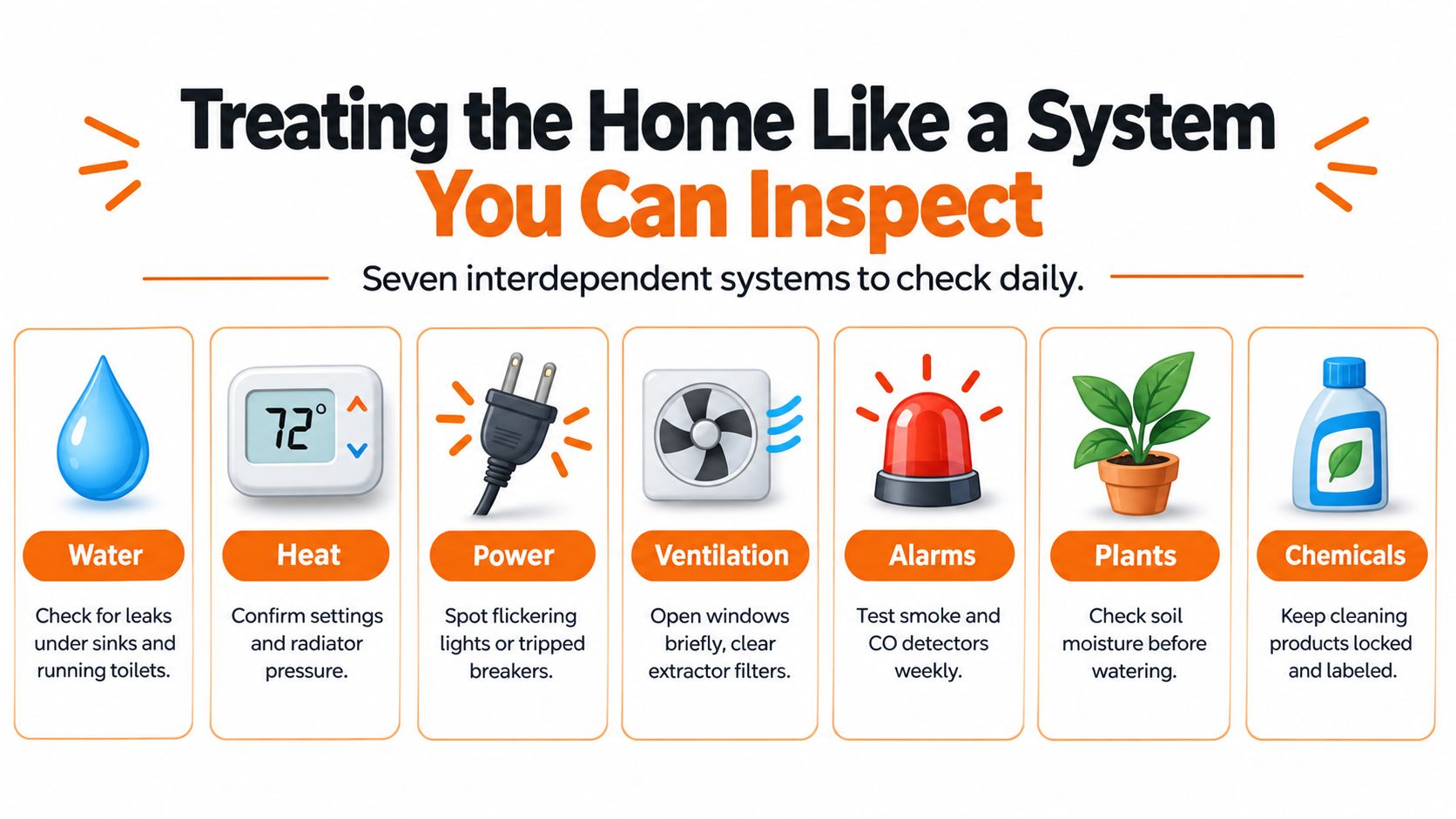
The property isn't just a backdrop for pet care. It's a connected system of water, heat, power, ventilation, alarms, plants, chemicals, doors, and appliances. A sitter's job is to notice when one part starts behaving differently before it damages the rest.
Scan the physical systems
Before the first night, test the smoke and carbon-monoxide alarms, locks, gates, cameras, heating or cooling controls, and backup access. Locate the water shutoff and breaker panel. Ask which appliance is temperamental and whether a monitoring company or neighbor needs to know that you're staying there.
For dogs, aim for indoor temperatures between 10°C and 25°C where possible, and remember that cold-sensitive dogs may struggle below 10°C, according to RSPCA guidance for dogs in winter. In warm conditions, provide shade, airflow, fresh water, and access to a cool, ventilated area. Never leave a dog in a vehicle. The cited guidance notes that a vehicle interior can reach 47°C from an exterior temperature of 22°C within 60 minutes.
Scan the room from the animal's height
Trailing electrical cords, accessible balconies, pools, open windows, toxic gardens, and unsecured gates deserve attention. So do ordinary objects that humans ignore. A bowl can be knocked over. A cleaning product can be pushed from a low shelf. A battery can become a chewable object.
Keep medicines, cleaning products, batteries, pesticides, rodenticides, toxic foods, and unfamiliar plants in a closed cabinet. ASPCA poison-control data identified over-the-counter medicines as 16.8% of 2023 exposure calls, human food and drinks as 16.2%, chocolate as 13%, plants and fungi as 8.1%, and household products as 7.1%, as detailed in the ASPCA's 2023 pet toxin report. Those categories belong in your arrival sweep, not in a crisis improvisation.
A camera can help you notice pacing, vocalization, destructive behavior, or a missed meal when an animal is alone, but agree in advance which devices remain active and where they point. For broader property awareness, some owners may also consider live remote video monitoring. Monitoring is a supplement to physical checks, not permission to leave an animal alone beyond its agreed tolerance.
The thermostat controls air temperature. It doesn't confirm that an anxious dog is drinking, that a gate is latched, or that a pipe hasn't started leaking.
Handling Emergencies Without Freezing Up
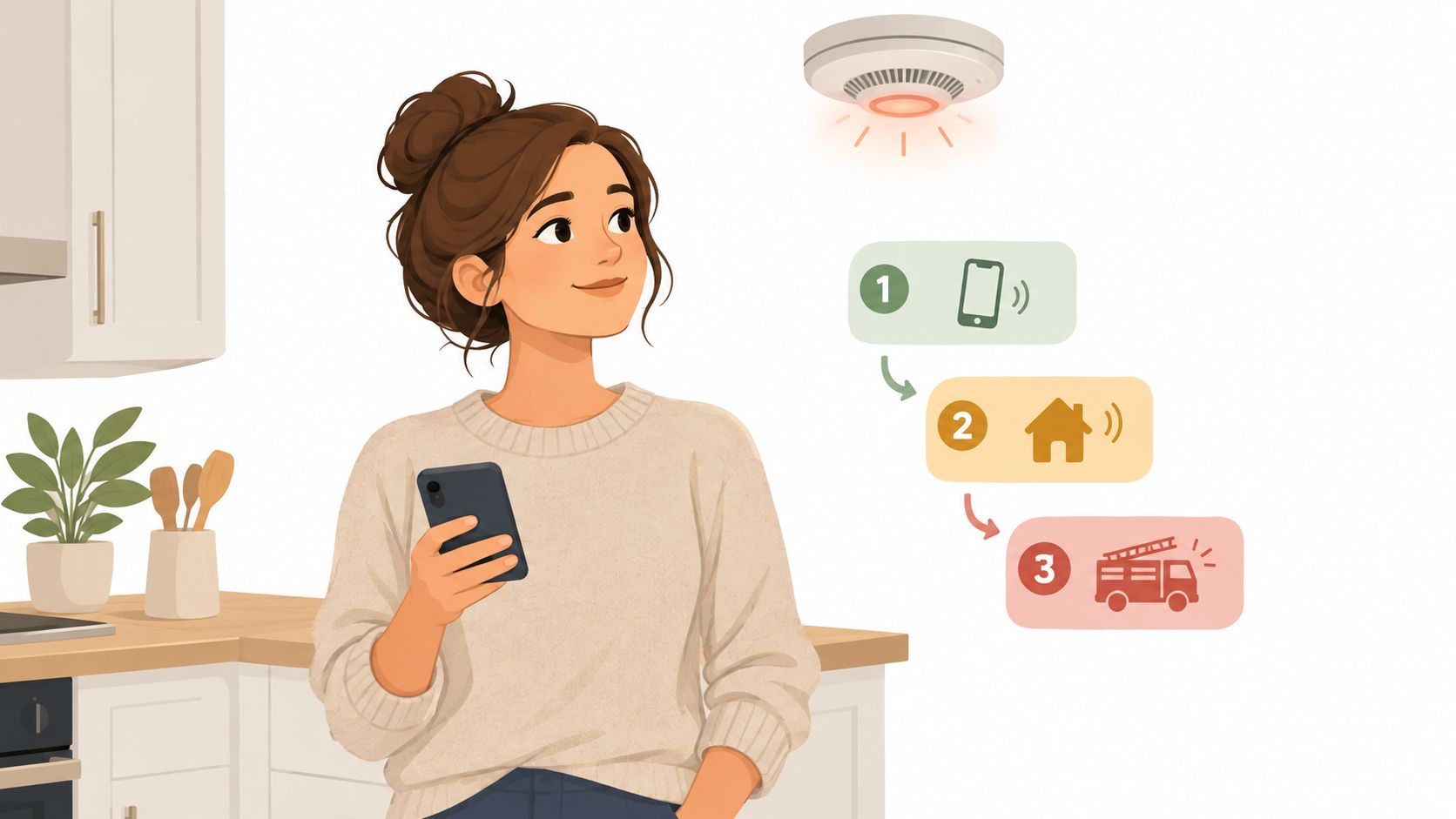
You don't need to predict every emergency. You do need a decision ladder that removes hesitation when the owner is asleep, unreachable, or travelling through poor signal.
Agree on the ladder before the sit. Put the owner's pre-approved spending limit in writing, identify who may authorize treatment, and decide whether you'll pay, use a virtual card, request direct clinic billing, or seek reimbursement. Keep the insurance policy, microchip details, consent form, medication list, and emergency contacts available offline.
Use four escalation levels
| Tier | Trigger | Who Authorizes | Sitter Action |
|---|---|---|---|
| Life-threatening | Breathing difficulty, collapse, severe bleeding, suspected poisoning, or another immediate danger | Sitter acts under written emergency consent, then contacts the owner | Transport or call emergency veterinary care immediately, follow professional instructions, preserve records |
| Urgent | Sudden illness, injury, repeated vomiting, marked pain, or a serious change from normal | Owner or named backup, unless delay creates danger | Call the veterinarian, explain the symptoms, ask for the next safe step |
| Non-urgent | Mild change with stable behavior and no immediate danger | Owner, vet, or agreed backup | Document the issue, monitor closely, arrange advice or an appointment |
| Owner unreachable | The owner doesn't respond within the agreed window | Named backup or written emergency authority | Follow the pre-agreed limit, contact the vet, record every call and decision |
The phrase “call me first” isn't enough. A sitter needs permission to act when minutes matter and a clear route for less urgent decisions. A pet first-aid certification guide can help you prepare, but first aid doesn't replace veterinary care.
Treat poisoning as an instruction-following emergency
If you suspect exposure, remove the animal from the source and keep the package or label. Estimate what was consumed and when. Don't induce vomiting or give home remedies unless a veterinarian or poison specialist specifically directs you to do so. Call the owner's veterinarian or a local emergency animal service immediately, then document the advice and any treatment.
Money is part of the emergency plan, not an awkward afterthought. Reported examples include emergency examinations of roughly $121–$125, hospitalization ranging from $72 to $722, ultrasound costing about $453–$465, and foreign-body surgery around $1,260; some emergency incidents can reach $3,000 or more, according to pet insurance emergency-treatment guidance. Costs and payment rules vary by country and clinic, so ask the owner exactly how the clinic should be paid.
The same principle applies to the house. If heating or cooling fails, protect the animals first, contact the owner, and use an approved repair contact. If the owner has a preferred provider, save it before departure. For example, an owner in a hot climate may identify an AC emergency repair service as part of the property plan.
Write down the time, symptom, call, instruction, decision, cost, and receipt. Clear records protect the animal, the sitter, and the owner.
Protecting the Property From Ordinary Failure
Most sitters worry about burglary because it's visible and dramatic. The more likely operational problem is often ordinary failure: a leak, frozen pipe, storm, dead boiler, power outage, tripped breaker, or appliance that stops while nobody checks it.
Insurance-sector guidance cites potential house-sitting property claims reaching $30,000 for incidents such as water damage or frozen pipes, as described in vacation home security guidance. That figure isn't a prediction for your sit. It's a reminder that “I locked the door” is not a property-care plan.
Run an arrival and departure audit
On arrival, photograph the condition of important rooms and existing damage without turning the house into a forensic lab. Locate the water shutoff, breaker panel, heating controls, smoke and carbon-monoxide alarms, spare keys, insurance contacts, and approved tradespeople. Ask what counts as an emergency that justifies calling a plumber, locksmith, electrician, hotel, or temporary pet relocation service.
Use weather and utility alerts as triggers for extra checks. After severe weather, inspect vulnerable rooms, windows, roof-access areas if safe, basement spaces, heating equipment, and any location the owner has already identified as prone to leaks. If the internet fails, verify whether the alarm, cameras, heating, and access systems still work locally.
Agree on privacy before you agree on monitoring
Ask which cameras may remain active, whether indoor cameras can be disabled, and whether recording continues in private areas. The owner deserves security, and the sitter deserves clear boundaries. Put the agreement in writing rather than assuming that a visible device explains its own rules.
Before leaving, refill water, confirm medication, remove waste, check appliances, close windows, secure gates and doors, return keys as agreed, and send a final condition note. Include any repair calls, bills paid, unusual noises, utility interruptions, or supplies that need replacing. Preventive care is often invisible when it works, but the owner should still know what you checked.
Handover, FAQ, and the One Principle That Holds It All Together
A strong handover closes the sit with the same discipline that opened it. Restock agreed supplies, return the keys as arranged, and send a clear note covering meals, walks, medication, unusual behavior, home condition, and bills. Follow up after the owner has settled back in, especially if anything needed repair or replacement.
The escalation ladder from the emergency section still applies. Act first under written consent for life-threatening cases, contact the vet for urgent problems, and follow the documented limit if the owner is unreachable. Record who you called, what they advised, and what you decided.
What if the owner is unreachable for more than a few hours? Use the written response window and escalation route rather than guessing. For example, contact the backup person or approved professional once the agreed limit expires, then keep a record of each attempt.
Should you accept a tip or gift? Accept it graciously if it feels appropriate, but never treat it as an obligation or raise the topic yourself. If the owner offers money, a small gift or a glowing review is equally welcome.
What if the home is unsafe or under-resourced? Protect yourself and the animals first, notify the owner, and leave only through a documented safe plan. A broken lock, missing medication, or failed heating system may require a backup person, tradesperson, or temporary relocation.
What if a review feels unfair? Respond calmly with verifiable facts and avoid a public argument. Improve the handover if the criticism identifies a real gap.
The rule is simple: act like someone the owner can trust with the keys again. Preparation, honest updates, and competent action create that trust.
Global Pet Sitter connects pet owners with sitters through profiles, messaging, pet and house details, and reputation information. Visit Global Pet Sitter to create a profile and start a sit with clear expectations.
Inicie sesión para dejar un comentario
